Manual dispatch has long been the backbone of delivery operations. Dispatchers review incoming orders, evaluate available drivers, and assign deliveries based on experience and intuition. This approach works well at low volumes, where decisions are manageable and operational complexity is limited. However, as businesses scale, the limitations of manual dispatch become increasingly evident.
With growing order volumes, multiple delivery zones, and dynamic conditions such as traffic and delays, manual dispatch quickly becomes a bottleneck. Assignments take longer, errors increase, and teams spend significant time on repetitive tasks instead of focusing on optimization and growth. This not only impacts efficiency but also affects delivery timelines and customer experience.
- Assignments become slower as the number of orders and drivers increases.
- Delays in dispatch lead to late pickups and missed delivery windows.
- Dispatch teams spend excessive time on repetitive, low-value tasks.
- Operational decisions rely heavily on manual judgment rather than data.
AI-powered dispatch automation addresses these challenges by replacing manual decision-making with intelligent, real-time systems that optimize assignments continuously.
The hidden cost of manual assignment
A dispatcher weighing driver, location, and capacity by hand can take minutes per order. AI evaluates the same variables in seconds and never gets slower as volume climbs, the gap that widens fastest at scale.
Manual vs AI-Powered Dispatch
Before looking at how AI dispatch works, it helps to see exactly where manual processes break down. The table below contrasts the two approaches across the factors that determine speed, accuracy, and scalability.
| Factor | Manual dispatch | AI dispatch |
|---|---|---|
| Speed per order | Minutes | Seconds |
| Variables considered | A few | Dozens, simultaneously |
| Performance at scale | Degrades | Holds steady |
| Exception handling | Manual, slow | Automatic, real-time |
| Consistency | Varies by person | Rule-based and repeatable |
How AI-Powered Dispatch Works
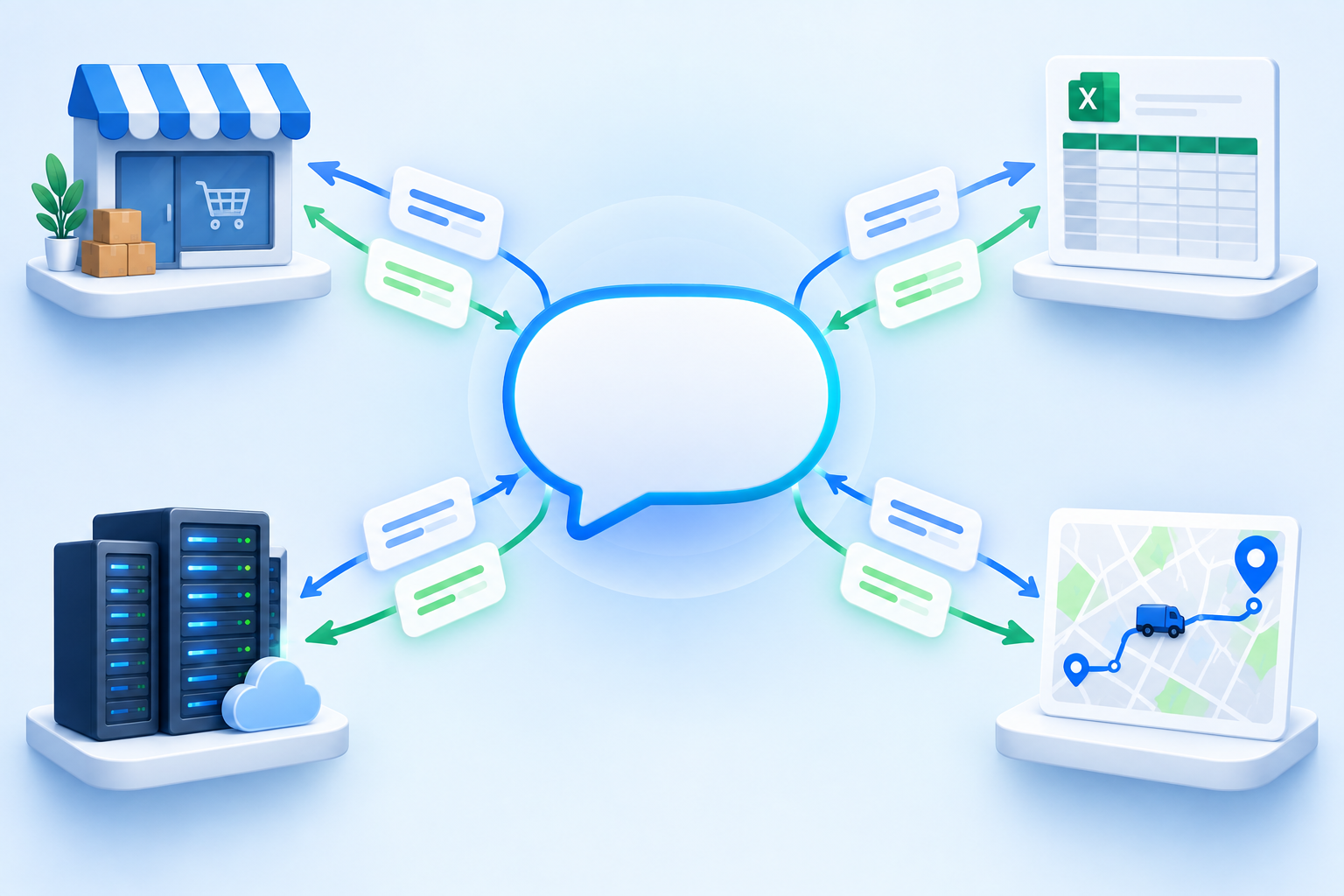
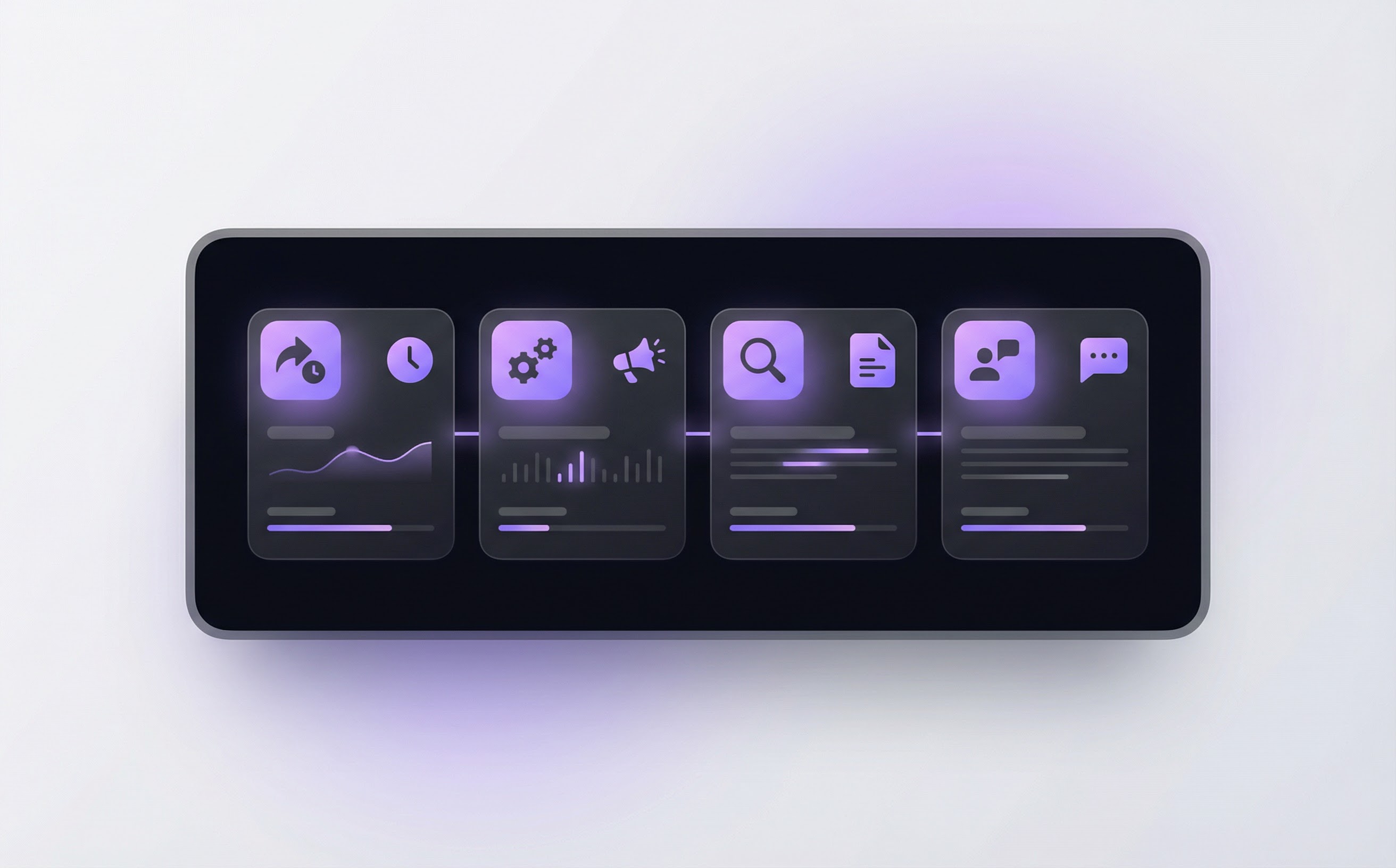
In short, AI dispatch weighs driver location, vehicle capacity, time windows and SLAs, driver skills and zones, and live factors such as traffic and order priority all at once, then assigns each order to the most suitable driver. It keeps re-evaluating as new orders arrive and conditions shift. For a detailed walkthrough of how orders are matched to drivers, see our auto-allocation guide.
How assignment works in detail
Handling Exceptions Automatically
One of the most significant advantages of AI-powered dispatch is its ability to handle exceptions in real time. In traditional systems, disruptions such as delays, cancellations, or driver unavailability require manual intervention. This slows down operations and increases the risk of errors.
AI systems continuously monitor operations and respond to changes instantly, ensuring that disruptions are managed proactively rather than reactively.
- Automatically reassign orders when delays or disruptions occur.
- Update customers with revised ETAs in real time.
- Detect demand spikes and adjust resource allocation accordingly.
- Minimize the need for manual intervention during high-pressure situations.
This capability ensures that operations remain resilient and responsive, even under unpredictable conditions.
"AI dispatch reduced our manual workload drastically. Our team now focuses on improving operations instead of assigning orders."
— Operations Director, Last-Mile Fleet
Best Practices for Implementing AI Dispatch
Transitioning to AI-powered dispatch requires a structured approach. While the technology delivers significant benefits, successful adoption depends on proper configuration, testing, and team alignment.
- Define clear operational rules such as delivery zones, capacity limits, and constraints.
- Start with AI-generated recommendations before enabling full automation.
- Use audit logs and reports to understand and trust system decisions.
- Train dispatchers and drivers to work effectively with the new system.
- Gradually enable auto-dispatch for larger portions of operations.
This phased approach ensures that teams build confidence in the system while minimizing disruption.
From Manual Execution to Strategic Operations
The shift to AI-powered dispatch is not just about automation—it is about redefining the role of operations teams. Instead of spending time on repetitive assignment tasks, teams can focus on improving processes, analyzing performance, and driving strategic initiatives.
This transformation leads to better decision-making, improved efficiency, and a more scalable operation that can adapt to growing demand without increasing complexity.
Final Thoughts: The Future of Dispatch Is Intelligent
As delivery operations continue to grow in scale and complexity, manual dispatch will no longer be sufficient. AI-powered automation provides the speed, accuracy, and adaptability required to manage modern logistics effectively.
By adopting AI dispatch, businesses can reduce delays, improve resource utilization, and deliver a better customer experience. More importantly, they can build a foundation for scalable, data-driven operations that evolve with their growth.
Related reading
Frequently asked questions
How does AI-powered dispatch work?
AI dispatch evaluates variables like driver location, vehicle capacity, delivery time windows, and real-time traffic simultaneously to assign each order to the most suitable driver, updating continuously as conditions change.
Why does manual dispatch fail at scale?
As order volumes and driver counts grow, manual assignment becomes slow and error-prone. Dispatchers spend excessive time on repetitive tasks, leading to late pickups and missed delivery windows.
Can AI dispatch handle disruptions automatically?
Yes. AI systems detect delays, cancellations, and driver unavailability in real time, then reassign orders and update customer ETAs without manual intervention.
How should I roll out AI dispatch?
Start with AI-generated recommendations before enabling full automation, define clear operational rules, use audit logs to build trust, and gradually expand auto-dispatch across your operations.
Will AI dispatch replace my dispatchers?
No. It removes repetitive assignment work so dispatchers shift to exception handling, planning, and optimization. The role becomes more strategic rather than disappearing.
How do I keep control over automated decisions?
Define explicit rules for zones, capacity, and SLAs, and review audit logs of every assignment. Most teams run in recommendation mode first so they trust the logic before enabling full auto-dispatch.