
99% SLA adherence and 45% more parcels per route at network scale
National courier, express & parcel (CEP) operator
The challenge
A high-volume CEP network was scaling faster than its manual dispatch could handle. Parcels were assigned to depots and drivers by spreadsheet and phone, route density was low, and peak-season volumes pushed SLA adherence down and cost per parcel up.
The solution
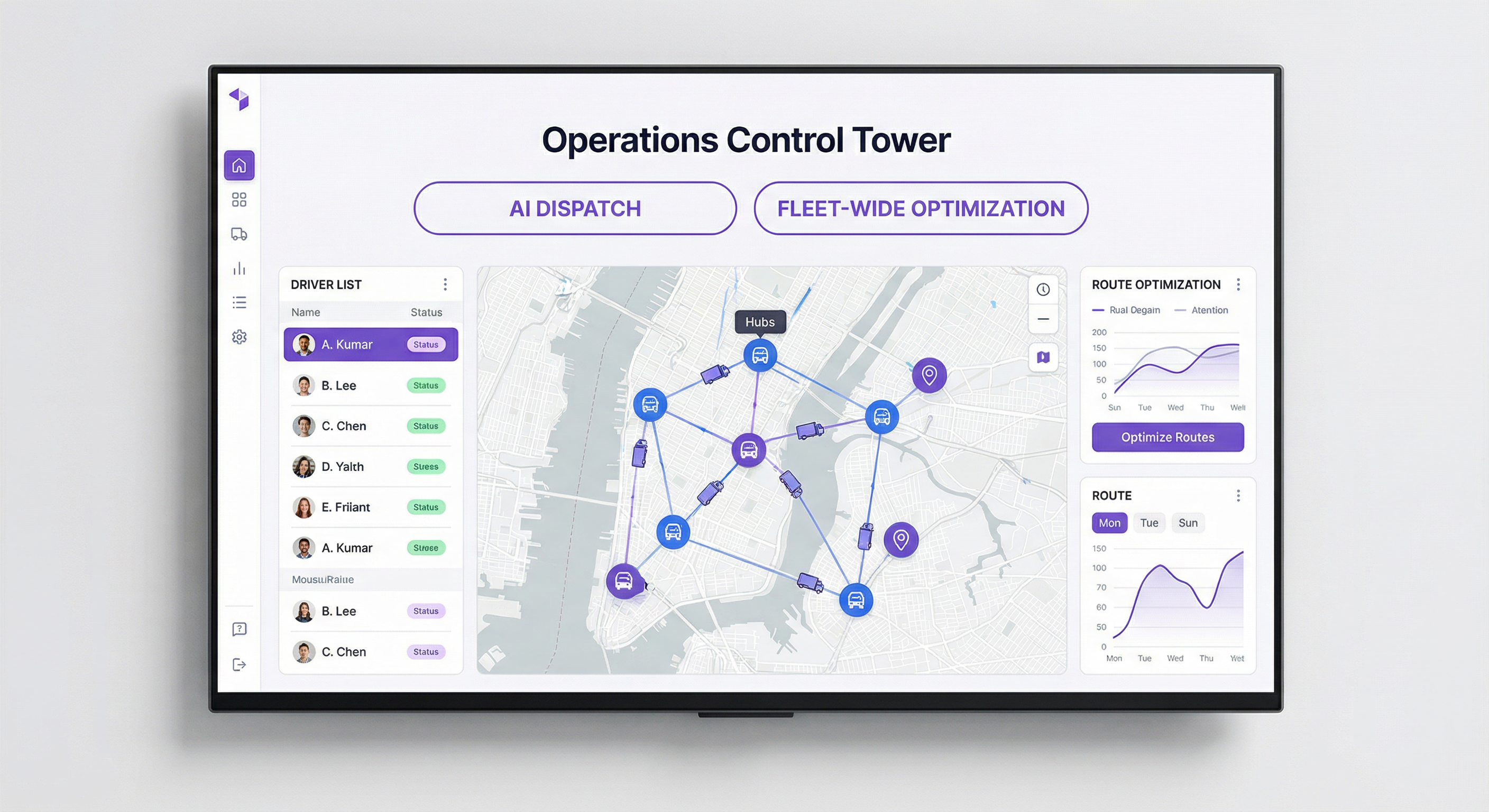
Geofleet’s AI Dispatch Agent now assigns every parcel across depots and drivers using live location, capacity, time windows, and traffic. Route density improves automatically, dispatchers manage by exception from the control tower, and SLA risk is surfaced before a parcel is ever late.
Background
This national CEP operator moves hundreds of thousands of parcels a week across multiple depots and a large pool of employee and contractor drivers. Growth had outpaced its tooling: parcels were allocated to depots and drivers manually, routes were built ad hoc, and there was no single view of network performance. During peak periods, low route density and slow reassignment pushed SLA adherence down and drove up cost per parcel.
Approach
Geofleet was deployed as the dispatch and visibility layer across the network. The AI Dispatch Agent assigns and sequences every parcel using real-time location, vehicle capacity, committed time windows, and live traffic — continuously, not once per wave. Dispatchers shifted from manual allocation to managing exceptions from a single control tower, with SLA-at-risk parcels flagged early so they can be re-prioritized before they breach.
Results
SLA adherence reached 99% and held through peak season. Denser, smarter routes carried 45% more parcels per route without adding vehicles, and cost per parcel fell by 25%. The network gained one real-time view of every depot, driver, and parcel, and reassignments that once took phone calls now happen automatically in seconds.
For a high-volume CEP operator, those three numbers reinforce each other: denser routes lower cost per parcel, and continuous reassignment is what keeps those dense routes from slipping behind on SLA. The network captured efficiency and reliability at the same time, rather than trading one for the other.
Why it mattered
At hundreds of thousands of parcels a week, small percentages are enormous absolute numbers. A 25% reduction in cost per parcel and 45% more parcels per route translate into substantial savings and capacity across the whole network — the kind of structural improvement that manual dispatch could never deliver at this scale.
SLA adherence is equally load-bearing in CEP: contracts and client relationships are built on it, and peak season is precisely when adherence usually slips and penalties bite. Holding 99% through peak protected both revenue and reputation.
Rollout
Because the network was too large to risk a big-bang switch, Geofleet went live in stages. After connecting depot, driver, and parcel feeds and configuring zones, capacities, and SLAs, the AI first ran in advisory mode so dispatchers could approve, override, and effectively train it on network patterns.
Only once the team trusted the suggestions did continuous auto-dispatch go live across depots, with dispatchers managing exceptions. This staged approach let the operator scale automation without ever losing control of a network it could not afford to disrupt.

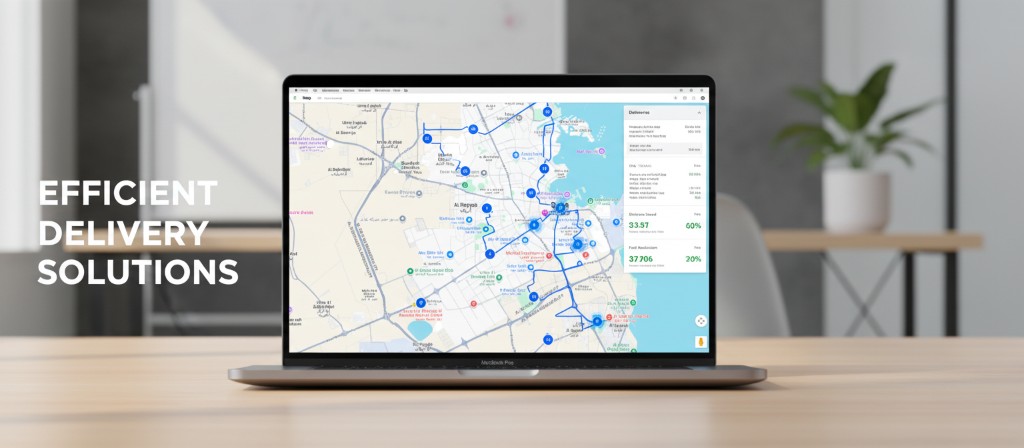
Network performance
Before vs after Geofleet (incl. peak season)
| Metric | Before | After |
|---|---|---|
| SLA adherence | 91% | 99% |
| Parcels per route | Baseline | +45% |
| Cost per parcel | Baseline | -25% |
| Reassignment time | Phone calls | Seconds (auto) |
Impact at scale
Implementation timeline
Depot, driver, and parcel feeds connected; zones, capacities, and SLAs configured.
AI proposes assignments; dispatchers approve and override; system learns network patterns.
Continuous auto-assignment live across depots; exception-based management.
SLA held at 99% through peak; ongoing density and cost optimization.
Key takeaways
- Continuous AI dispatch across depots and drivers held SLA adherence at 99% — even through peak season.
- Capacity- and time-window-aware routing carried 45% more parcels per route with no extra vehicles.
- Cost per parcel dropped 25% as route density rose and manual reassignment disappeared.
- A single network control tower replaced spreadsheets and phone calls with manage-by-exception.
- A staged rollout — advisory mode before continuous auto-dispatch — scaled automation without disrupting a critical network.
Frequently asked questions
How did the network hold 99% SLA adherence through peak season?
The AI Dispatch Agent assigns and sequences parcels continuously — not once per wave — using live location, capacity, time windows, and traffic, and flags SLA-at-risk parcels before they breach. Re-prioritizing at-risk parcels early is what held adherence at 99% even as peak volumes spiked, up from 91%.
How can routes carry 45% more parcels without more vehicles?
Capacity- and time-window-aware routing packs more compatible stops into each run, raising route density. That density let the network move 45% more parcels per route on the existing fleet, which is also what drove cost per parcel down by 25%.
What changed for dispatchers?
They moved from manually allocating parcels to depots and drivers by spreadsheet and phone to managing by exception from a single control tower. Reassignments that once required phone calls now happen automatically in seconds.
How does continuous dispatch differ from wave-based dispatch?
Wave-based dispatch assigns parcels in periodic batches, so new orders and disruptions wait for the next wave. Continuous dispatch reassigns in real time as conditions change, which keeps routes dense and SLA risk low throughout the day rather than only at wave boundaries.
How was such a large network rolled out safely?
In stages: feeds, zones, capacities, and SLAs were configured first, then the AI ran in advisory mode where dispatchers approved or overrode suggestions, then continuous auto-dispatch went live across depots before the network settled into peak-season steady state at 99% SLA.
"At our volumes, manual dispatch simply couldn’t keep up. Geofleet assigns and sequences every parcel automatically, and our SLA adherence held at 99% even through peak season."
Operations · Courier, Express & Parcel
Related case studies

80% less route planning time, 97% on-time delivery

30% fuel savings and 40% more stops per driver
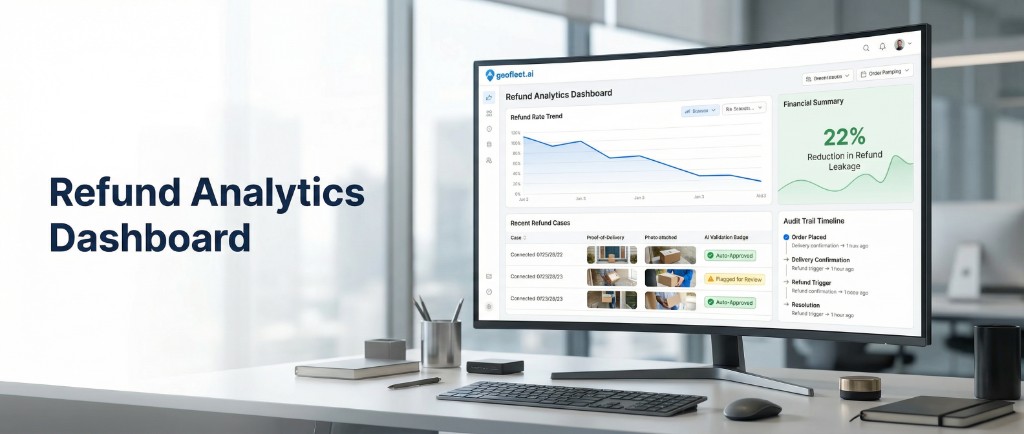
Six-figure recovery in carrier refunds in Year 1
Get similar results
See how Geofleet can help your team. Start free or book a tailored demo.