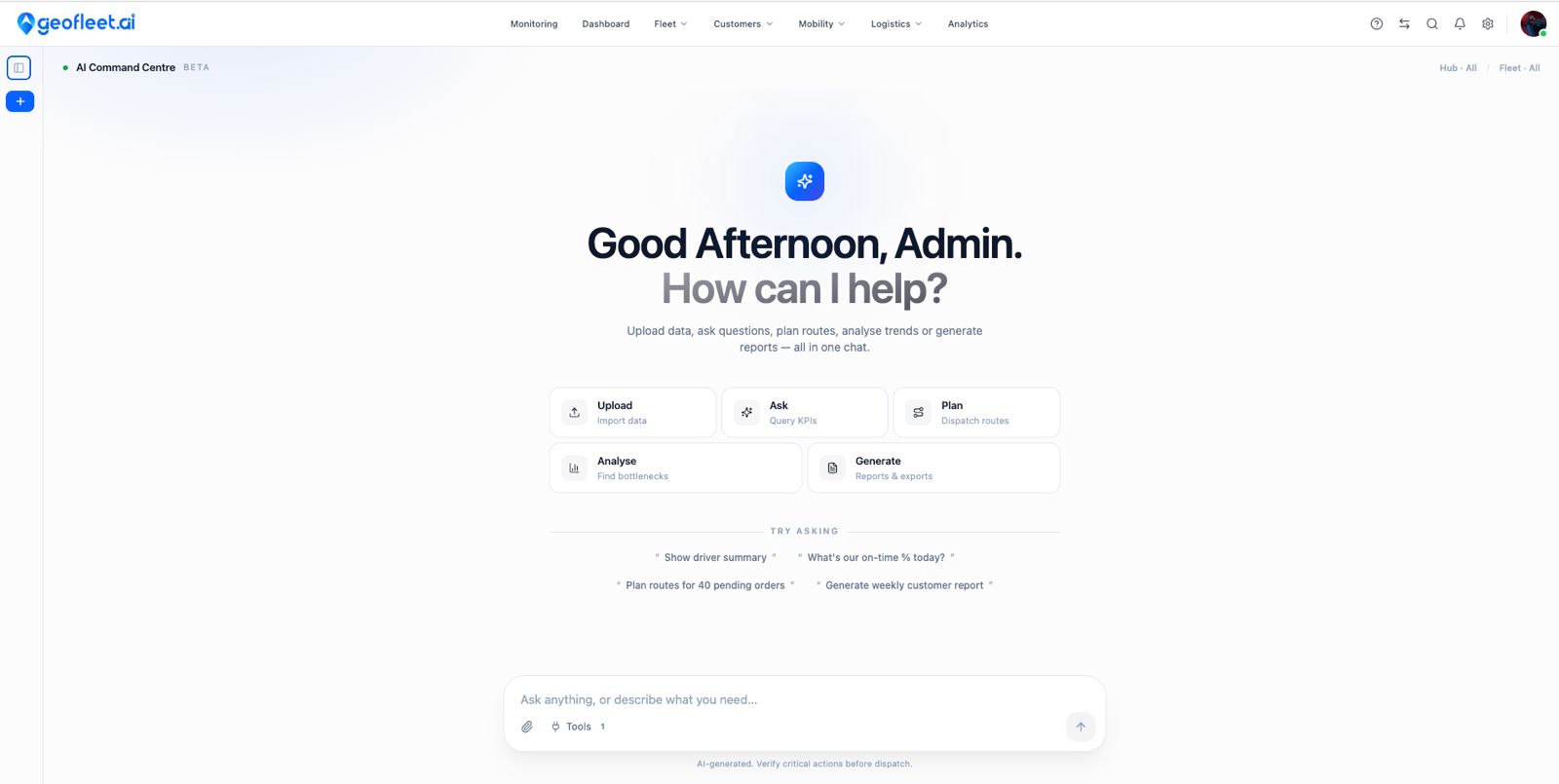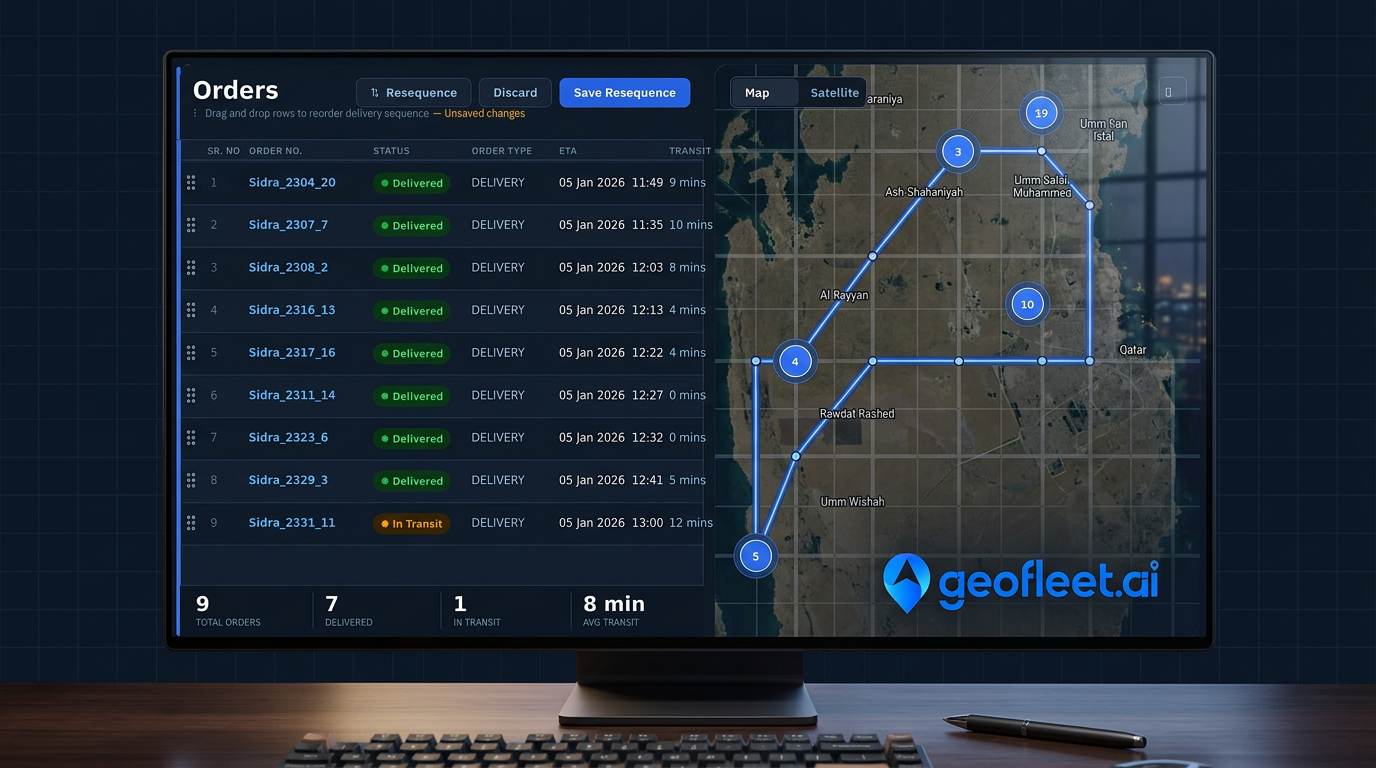
Static route planning has been the foundation of many delivery operations for years. It works well when demand is predictable, delivery volumes are stable, and routes do not change frequently. However, as operations grow in complexity, static routes begin to show their limitations. Fixed routes cannot adapt to real-time conditions such as traffic, order spikes, cancellations, or last-minute changes, leading to inefficiencies and missed opportunities for optimization.
Dynamic dispatch addresses these challenges by continuously optimizing routes and assignments based on real-time data. Instead of pre-assigning drivers to fixed routes, the system dynamically allocates deliveries based on availability, proximity, and constraints. While the benefits are clear—improved efficiency, better resource utilization, and enhanced customer experience—the transition itself requires careful planning to avoid operational disruption.
Why Moving to Dynamic Dispatch Matters
- Routes adapt in real time based on traffic, delays, and new orders.
- Driver assignments become flexible, improving utilization.
- Operations scale more easily across hubs and regions.
- Customer experience improves with more accurate ETAs and faster deliveries.
The challenge is not whether to adopt dynamic dispatch—it is how to implement it effectively without disrupting daily operations.
Never go live cold
The single biggest risk reducer is week 1's parallel run. By comparing the new system against your live process before anything changes for drivers, you catch data and configuration issues with zero operational impact.
The 30-Day Plan at a Glance
The rollout is deliberately staged so each week de-risks the next. The table summarizes the focus, scope, and success signal for every phase before the detailed week-by-week breakdown.
| Week | Focus | Scope | Success signal |
|---|---|---|---|
| 1 | Parallel run | Shadow mode only | Clean data, fewer gaps |
| 2 | Live pilot | One driver or zone | On-par or better times |
| 3 | Expansion | A full hub or shift | Stable at higher volume |
| 4 | Full rollout | All operations | Old system retired |
Week 1: Pilot Without Operational Impact
The first week focuses on observation and validation. Instead of replacing your existing system, run the dynamic dispatch system in parallel. This allows your team to compare outputs without affecting live operations.
- Run the new system alongside your current routing and dispatch process.
- Keep driver workflows unchanged to avoid confusion.
- Compare route efficiency, assignments, and delivery times.
- Identify configuration gaps such as incorrect constraints or missing data.
- Fix issues early before moving to live testing.
This phase builds confidence in the system while ensuring that any issues are resolved in a controlled environment.
Week 2: Small-Scale Live Testing
Once the system performs reliably in parallel mode, the next step is to test it in a limited live environment. The goal is to introduce real-world variability while keeping the scope manageable.
- Select a single driver, route, or delivery zone for testing.
- Use the dynamic system for actual dispatch and assignments.
- Monitor performance metrics such as delivery time and success rates.
- Collect feedback from drivers and dispatchers.
- Compare results against the rest of the fleet still using static routes.
This phase highlights practical challenges and ensures the system performs under real operational conditions.
Week 3: Gradual Expansion Across Operations
After successful small-scale testing, expand the use of dynamic dispatch to a larger portion of your operations. This phase focuses on scaling adoption while maintaining stability.
- Extend usage to an entire hub, shift, or multiple delivery zones.
- Use the new system for daily dispatch operations.
- Retain the old system as a backup in case of issues.
- Refine routing rules, constraints, and automation settings.
- Provide additional training to dispatchers and drivers.
At this stage, the organization begins to experience the full benefits of dynamic dispatch while still having a safety net.
Week 4: Full Rollout and Optimization
The final phase involves transitioning the entire operation to dynamic dispatch and standardizing processes. By now, the system should be stable, and the team should be comfortable with new workflows.
- Move all dispatch operations to the dynamic system.
- Disable or phase out the old static routing process.
- Document workflows, processes, and standard operating procedures (SOPs).
- Set performance benchmarks and track improvements.
- Continuously optimize based on data and feedback.
This phase marks the transition from experimentation to full operational transformation.
"Within a month, we fully transitioned to dynamic dispatch. The team adapted quickly, and we saw immediate improvements in efficiency and delivery performance."
— Operations Manager, Regional Courier
Key Success Factors for a Smooth Transition
Technology alone does not guarantee success. The effectiveness of your transition depends on how well your team adapts to new processes and tools.
- Involve dispatchers and drivers early to build trust and gather feedback.
- Communicate clearly about the benefits and changes in workflow.
- Address data quality and configuration issues proactively.
- Maintain a clear timeline to ensure momentum and accountability.
- Provide ongoing training and support during the transition.
Final Thoughts: From Static Planning to Dynamic Execution
Transitioning from static routes to dynamic dispatch is more than a technology upgrade—it is an operational shift. It enables businesses to respond to real-time conditions, improve efficiency, and scale without adding unnecessary complexity.
By following a structured 30-day rollout plan, organizations can minimize disruption, ensure team adoption, and unlock the full benefits of dynamic dispatch. The result is a more agile, efficient, and customer-focused delivery operation.
Related reading
Frequently asked questions
What is the difference between static routes and dynamic dispatch?
Static routes pre-assign drivers to fixed routes that do not change, while dynamic dispatch continuously allocates deliveries in real time based on availability, proximity, and constraints.
How long does it take to switch to dynamic dispatch?
A structured rollout can be completed in about 30 days: week 1 runs the system in parallel, week 2 tests live at small scale, week 3 expands gradually, and week 4 is full rollout and optimization.
How do I switch without disrupting operations?
Run dynamic dispatch alongside your current process first, pilot with a single driver or zone, keep the old system as a backup during expansion, and only phase it out once the new system is stable.
What makes the transition succeed?
Beyond technology, success depends on change management: involve dispatchers and drivers early, communicate clearly, fix data and configuration issues proactively, and provide ongoing training.
Do I have to stop using static routes entirely?
No. Many operations keep static routes for highly predictable runs and apply dynamic dispatch where volatility is high. The 30-day plan is about adding the capability, not forcing an all-or-nothing switch.
What if my data is not clean enough for dynamic dispatch?
Data gaps surface in week 1's parallel run, which is exactly the point. Fix address quality, constraints, and capacity definitions there before going live so the system makes good decisions from day one.