Pharmacy delivery is fundamentally different from standard logistics operations. Unlike general e-commerce deliveries, pharmacy orders often involve life-critical products where accuracy, timing, and handling conditions directly impact patient health. A single mistake—whether it is delivering the wrong medication, missing proof of delivery, or failing to maintain required temperature conditions—can have serious consequences.
In addition to operational challenges, pharmacy delivery is subject to strict regulatory requirements. Businesses must ensure full traceability, maintain proper documentation, and protect sensitive patient information. This combination of operational complexity and regulatory pressure makes pharmacy logistics one of the most demanding segments in last-mile delivery.
- Incorrect deliveries can compromise patient safety and treatment outcomes.
- Missing or incomplete proof of delivery creates compliance risks.
- Cold chain failures can render medicines ineffective or unsafe.
- Lack of visibility reduces trust among patients and healthcare providers.
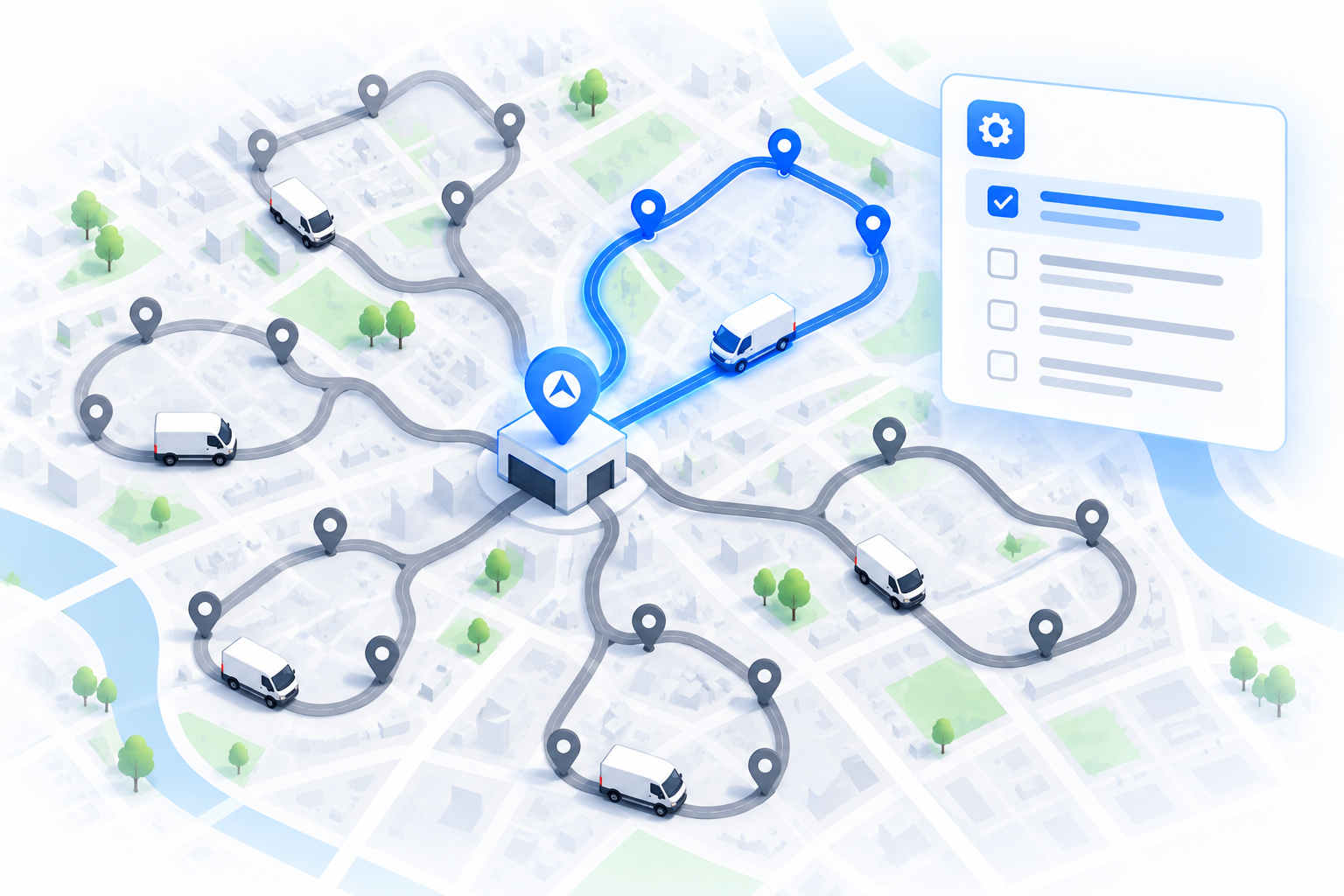
To succeed in this environment, businesses must design delivery systems that prioritize accuracy, traceability, and control at every stage of the process.
Key Compliance Requirements in Pharmacy Delivery
Compliance in pharmacy delivery is not optional—it is a legal and operational necessity. Every delivery must be documented and verifiable, ensuring that medicines are handled and delivered according to regulatory standards.
A compliant system ensures that every step in the delivery process is recorded, creating a complete audit trail that can be reviewed when needed.
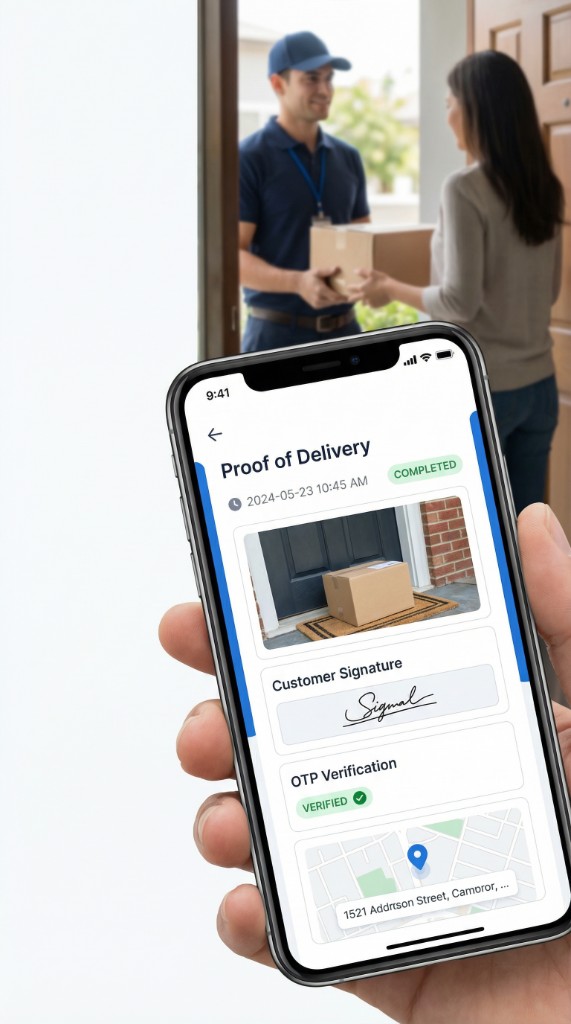
- Proof of delivery (POD) with signature, OTP, or verified identification.
- Complete chain of custody with timestamps from dispatch to delivery.
- Validation of cold chain conditions for temperature-sensitive medicines.
- Secure handling and storage of patient data to meet privacy regulations.
These requirements ensure accountability and provide the documentation needed for audits, dispute resolution, and regulatory compliance.
| Requirement | What it proves | Method |
|---|---|---|
| Proof of delivery | Right patient received it | OTP, signature, or ID |
| Chain of custody | Handling was unbroken | Timestamps end to end |
| Cold chain record | Temperature held | Logging or validated packaging |
| Data protection | Patient privacy kept | Secure storage and access |
Compliance is a system, not a step
In pharmacy logistics, documentation cannot be bolted on after the fact. Proof, custody, and temperature records must be captured automatically during delivery so every order is audit-ready by default.
Managing Cold Chain Efficiently
Cold chain management is one of the most critical aspects of pharmacy delivery. Certain medicines, such as vaccines and biologics, must be stored and transported within specific temperature ranges to remain effective. Even small deviations can compromise their integrity.
While advanced temperature-monitoring systems are available, many operations can achieve reliable cold chain management using simple, well-structured processes. The key is consistency and documentation.
- Use validated insulated packaging designed to maintain required temperatures.
- Minimize delivery time to ensure products remain within safe limits.
- Implement temperature logging for high-sensitivity deliveries.
- Attach temperature and handling records to each delivery for audit purposes.
By combining proper packaging, efficient routing, and accurate tracking, businesses can maintain cold chain integrity without unnecessary complexity.
Building Trust with Patients and Customers
In healthcare logistics, trust is as important as operational efficiency. Patients need confidence that their medications will arrive safely, on time, and in proper condition. Any uncertainty can lead to dissatisfaction and loss of trust.
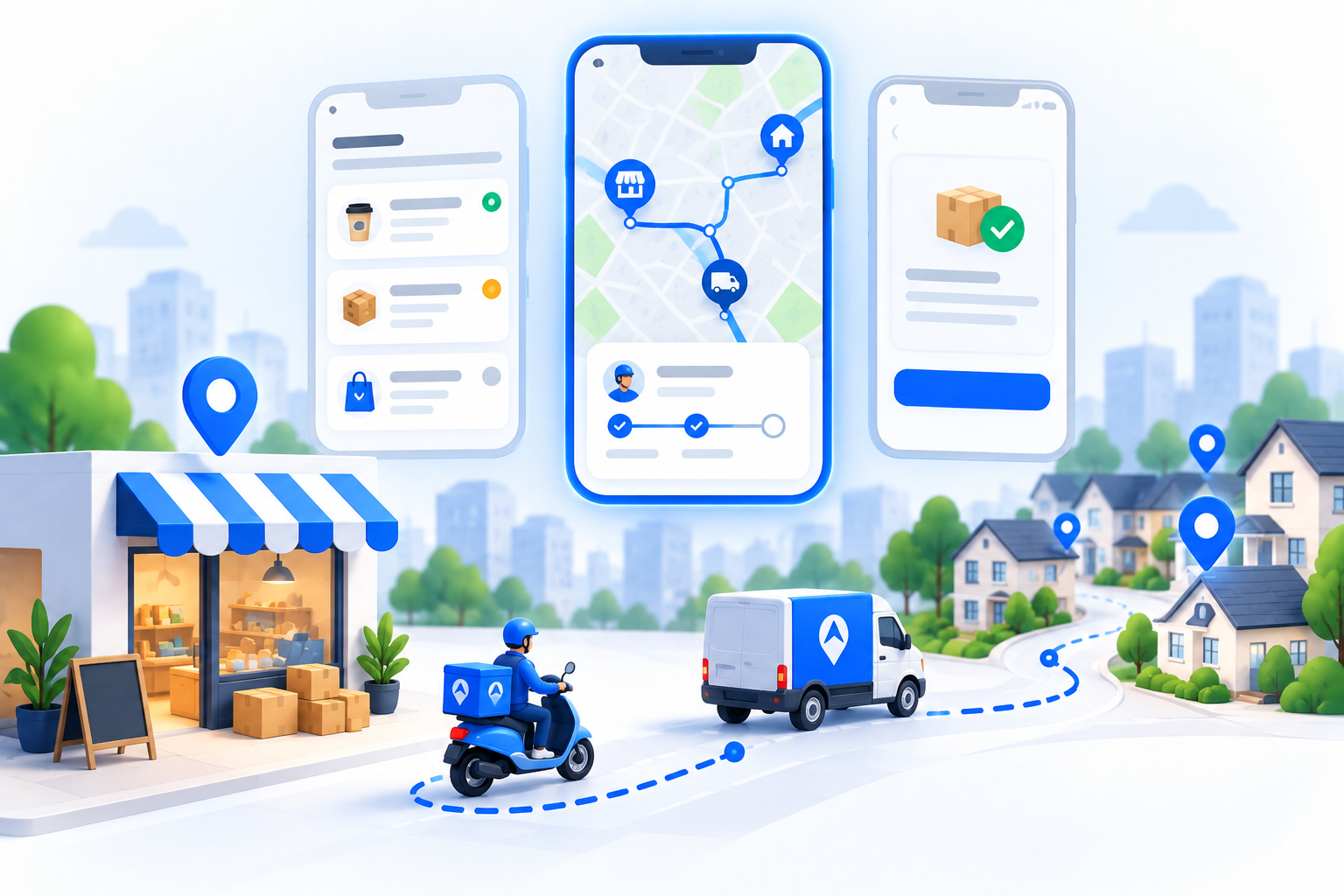
Transparent communication and real-time visibility play a key role in building this trust. When customers can track their delivery and receive accurate updates, they feel more in control and reassured.
- Provide clear and accurate ETAs for every delivery.
- Enable live tracking of driver location and delivery progress.
- Capture and share proof of delivery instantly.
- Keep both the patient and pharmacy informed throughout the process.
These practices create a reliable and transparent delivery experience, strengthening relationships with both patients and healthcare providers.
"Geofleet helped us manage compliance effortlessly. We now have proof, tracking, and cold-chain records in one place, making audits and operations much easier."
— Pharmacy Operations Lead, Regional Chain
How to Get Started with Compliant Pharmacy Delivery
Implementing a compliant pharmacy delivery system does not require a complete overhaul. By focusing on key areas and building gradually, businesses can create a robust and scalable solution.
- Identify and understand compliance requirements specific to your region.
- Enable proof of delivery using signatures, photos, or OTP verification.
- Track every delivery with timestamps and status updates.
- Implement cold chain monitoring for temperature-sensitive products.
- Centralize all delivery data for easy access and auditing.
This structured approach ensures that compliance is built into daily operations rather than treated as an afterthought.
Final Thoughts: Compliance as a Competitive Advantage
Pharmacy delivery is one of the most challenging areas in logistics, but it also offers an opportunity to differentiate through reliability and trust. Businesses that invest in compliance, visibility, and cold chain management can deliver a superior experience while meeting regulatory requirements.
By using integrated systems to manage delivery, tracking, and documentation, organizations can simplify complex processes and build a foundation for scalable, compliant operations. In healthcare logistics, precision is not just important—it is essential.
Related reading
Frequently asked questions
What compliance requirements apply to pharmacy delivery?
Pharmacy delivery typically requires proof of delivery with signature, OTP, or verified ID, a complete chain of custody with timestamps, cold chain validation for sensitive medicines, and secure handling of patient data.
How do I maintain cold chain integrity without complex equipment?
Use validated insulated packaging, minimize delivery time, log temperatures for high-sensitivity orders, and attach temperature and handling records to each delivery for audit purposes.
Why is proof of delivery critical for pharmacy orders?
Proof of delivery creates an auditable record that the right medication reached the right patient, reducing compliance risk and supporting dispute resolution.
How does delivery technology build patient trust?
Real-time tracking, accurate ETAs, and instantly shared proof of delivery give patients confidence that their medications will arrive safely, on time, and in proper condition.
What proof of delivery is appropriate for prescription medicines?
For regulated or controlled items, use stronger verification such as OTP, signature, or ID checks rather than a photo alone, so you can demonstrate the right medication reached the right patient.
How do I prepare for a pharmacy delivery compliance audit?
Keep a complete, timestamped chain of custody, proof of delivery, and any cold chain records attached to each order in one system. Centralized, exportable records make audits fast instead of frantic.